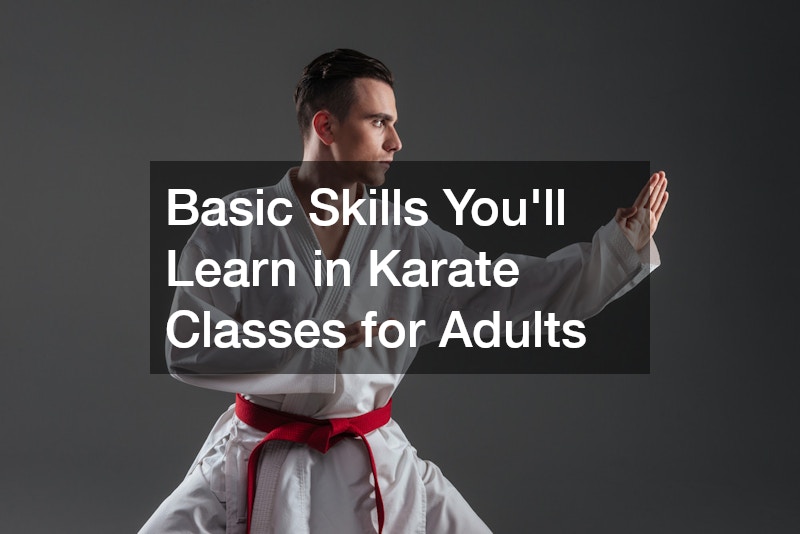

Karate classes for adults offer a structured environment where beginners can learn the fundamentals of this martial art. Typically, the first few sessions will focus on familiarizing students with basic stances, punches, and blocks. From these foundation skills, practitioners begin to appreciate the discipline and physical benefits of karate.
Understanding the basic principles of karate is crucial for not only advancing one’s skills but also for ensuring safety during practice. Instructors emphasize balance and precision in every movement to build a solid base for more complex techniques. By mastering the basics, students lay the groundwork for developing more advanced karate skills.
Striking Techniques
One of the primary skills taught in karate classes is effective striking, which includes punches, kicks, and hand techniques. Mastery of striking techniques requires consistent practice and adherence to form, ensuring each strike is both powerful and appropriate for the situation. These skills are integral for self-defense, a key motivation for many adults joining karate classes.
Instructors stress the importance of accuracy and speed, teaching students to understand the nuance of each movement. Through guided practice, students gain confidence in their abilities, learning to deliver strikes with both strength and control. Techniques are broken down into increments, allowing practitioners to focus on refining each aspect before executing full movements.
Defense and Blocking Techniques
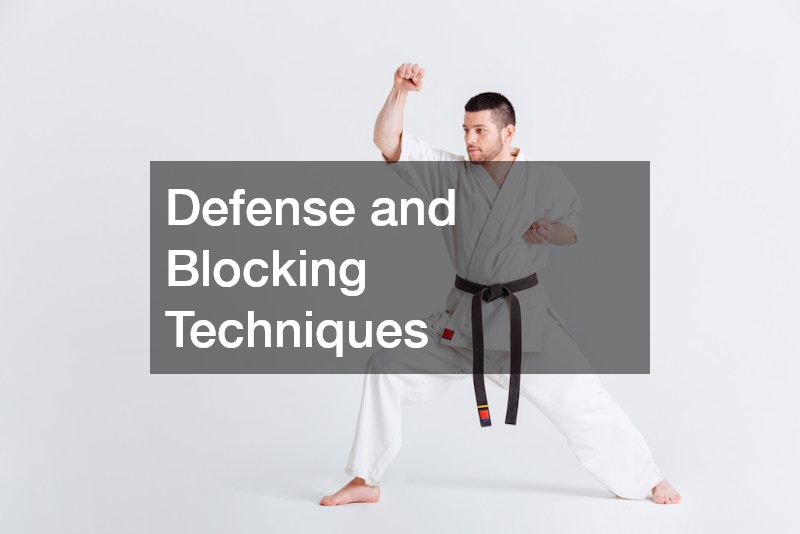
Karate classes emphasize the importance of defense and effective blocking strategies to protect oneself during combat. Students learn how to assess and respond to various offensive moves with precision and confidence. Proficient blocking not only prevents injury but also provides an opportunity to counter-attack effectively.
In learning defense, practitioners focus on anticipation and swift reaction, key components of preventing an opponent’s attack. This aspect of training bolsters awareness and alertness, essential qualities for maintaining safety. Through repetition, students gain an intuitive understanding of defensive maneuvers, which becomes instinctive in real-time situations.
With defense training, adults cultivate patience and strategic thinking, improving their ability to stay calm under pressure. Blocking techniques integrate seamlessly with the broader curriculum, ensuring students grasp both offensive and defensive aspects of karate. This dual focus contributes to a well-rounded martial arts education, enhancing overall competence and foresight in potential confrontations.
Kata – The Art of Forms
Kata, or forms, represent a critical component of karate training, blending physical movement with mental discipline. Through kata, students perform pre-arranged sequences of techniques, honing their skills and discipline simultaneously. Each kata helps instill a deeper understanding of martial arts principles, integrating both attack and defense elements.
Practicing kata emphasizes the importance of rhythm, breathing, and focus, fostering cognitive benefits alongside physical skill. Students are encouraged to visualize combat scenarios while performing kata, enhancing their awareness and tactical thinking. Moreover, this practice develops muscle memory, ensuring fluidity and efficiency in real-life applications of karate.
By advancing through different levels of kata, practitioners experience growth in their martial arts journey, solidifying their grasp on karate’s philosophy. The practice of kata serves as a bridge between learning techniques and applying them in dynamic situations. This continuous development reflects the lifelong journey of martial arts, promoting continual improvement and personal growth.
Sparring and Application
Sparring, or kumite, provides students with an opportunity to apply their learned skills in a controlled, simulated combat setting. This practice reinforces the techniques learned in class, allowing individuals to test their reflexes, endurance, and strategic thinking. Sparring offers a practical understanding of how different skills come together, enhancing an individual’s readiness for real-life scenarios.
Participating in sparring matches fosters a sense of respect and sportsmanship among karate students. Practicing with partners helps build camaraderie, driving mutual growth and learning through shared experiences. Importantly, the controlled environment of sparring allows for learning without the fear of severe injury, making it an educational tool for development.
Through regular sparring practice, adults develop keen situational awareness and adaptive strategies. They learn to assess opponents’ strengths and weaknesses, becoming more adept at adjusting their approach accordingly. As a result, students gain a well-rounded proficiency in karate, equipped for both personal defense and athletic competition.
Karate classes for adults offer a rich tapestry of skills, from foundational techniques to advanced applications. By engaging in consistent practice, students improve physically and mentally, enhancing both health and personal confidence. The diverse disciplines covered in karate cultivate a holistic approach, ensuring practitioners develop both technical prowess and ethical understanding.
The structured learning environment fosters perseverance, encouraging adults to push through challenges and achieve their personal goals. Karate is more than just physical activity; it instills vital life lessons that extend beyond the dojo. As students advance, they embody the values of patience, respect, and humility, contributing positively to their broader communities.
Ultimately, karate classes empower adults with skills and insights that enrich their lives beyond compare. From self-defense techniques to philosophical teachings, karate promotes growth in all aspects of life. This journey of learning and self-discovery continues to attract individuals seeking both physical fitness and personal development.