The human body is an extraordinary machine, capable of adaptation, healing, and resilience. However, at some point, nearly everyone encounters physical limitations. These might stem from the natural aging process, a sudden injury, chronic illness, or the wear and tear of a sedentary lifestyle. The traditional view of health often suggests that once a limitation is present, our “peak” is behind us. This is a fundamental misunderstanding of biological potential.
Reaching optimal health is not about possessing a perfect, indestructible body; it is about the strategic circumvention of barriers. It is about identifying the specific bottlenecks—be they structural, sensory, or metabolic—and using modern science, professional interventions, and lifestyle adjustments to bypass them. When we stop viewing a limitation as a dead end and start viewing it as a logistical challenge, we unlock a new level of vitality.
This guide explores how to navigate these hurdles, ensuring that your physical state never dictates your quality of life.
Restoring Structural Integrity and Mobility

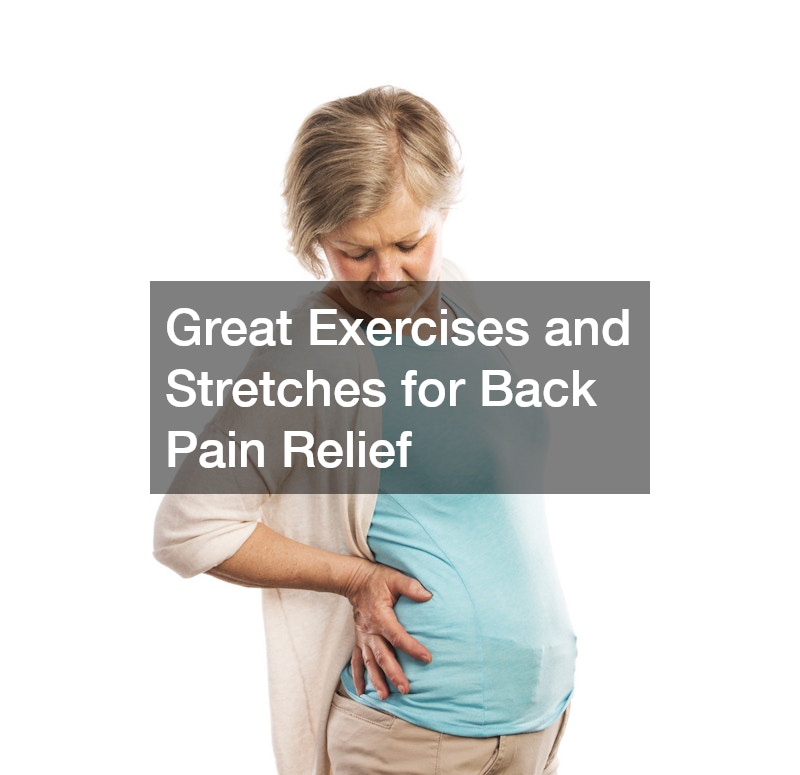
The foundation of physical freedom is a spine and musculoskeletal system that functions without constant distress. Chronic discomfort acts as a “brain drain,” consuming mental energy and discouraging the very movement required for healing. To reach an optimal state, one must address these structural barriers at the root rather than simply masking the symptoms.
When movement becomes restricted, the nervous system often goes into a protective “guarding” mode. This tightness leads to a vicious cycle of decreased activity and increased stiffness. To break this cycle, active recovery is essential. This involves specific movements designed to decompress the vertebrae and strengthen the deep stabilizing muscles of the core. Seeking professional back pain relief is often the first step in this journey, as it allows for the window of comfort necessary to begin a rehabilitative exercise program.
Furthermore, the alignment of the skeletal system dictates the efficiency of every movement you make. Misalignments can lead to uneven wear on joints, which eventually manifests as more severe limitations. Incorporating regular chiropractic care can help maintain joint mobility and ensure that the nervous system is communicating effectively with the rest of the body. By keeping the “highway” of the spine clear, you allow your body to heal and adapt more efficiently.
- Implement “Micro-Movements”: If you work at a desk, set a timer for every 30 minutes to perform three cat-cow stretches or standing pelvic tilts.
- Prioritize Posterior Chain Strength: Focus on the glutes and hamstrings to take the load off the lower back.
- Invest in Ergonomics: Your chair and monitor height are not just about comfort; they are about preventing long-term structural degradation.
Low-Impact Movement and Environment Mastery
For many, traditional high-impact exercise like running or heavy weightlifting is no longer an option due to joint degradation or systemic inflammation. However, the absence of high impact does not mean the absence of high intensity. The key to circumventing these limitations lies in the medium through which we move.
Water is the ultimate equalizer. Because of buoyancy, the impact on your joints is virtually eliminated, while the resistance of the water provides a full-body workout. Utilizing swimming pools for aerobic and resistance training allows individuals with severe arthritis or mobility issues to maintain cardiovascular health and muscle tone. In the water, you can perform lunges, sprints, and rotations that would be too painful on hard ground.
However, the environment in which we pursue health must be managed with precision. For those using home aquatic facilities for therapy, the chemical balance and hygiene of the water are paramount. Neglected water can lead to respiratory issues or skin irritations, which act as new limitations. Professional pool services ensure that your therapeutic environment remains a sanctuary for healing rather than a source of new health complications.
- Try Vertical Training: Walking or running in the deep end of a pool with a buoyancy belt provides massive cardiovascular benefits without a single ounce of joint impact.
- Temperature Regulation: Warm water (88-92°F) is ideal for muscle relaxation and flexibility, while cooler water is better for high-intensity metabolic work.
- Focus on Flow: Use the water’s natural resistance to perform slow, controlled movements that build “stabilizer” strength often missed in gym machines.
Nutritional Logistics and Metabolic Support

Optimal health is fueled by what we ingest, but for those with physical limitations—such as chronic fatigue, limited mobility, or post-operative recovery—the act of preparing high-quality meals can be an insurmountable barrier. When we are tired or in pain, we often reach for ultra-processed “convenience” foods, which only serve to increase systemic inflammation.
To circumvent the physical toll of meal preparation, one must look at nutrition as a logistical system. Outsourcing the labor of cooking can be a transformative health decision. Utilizing high-quality food catering that specializes in anti-inflammatory or nutrient-dense diets ensures that your body receives the raw materials it needs for repair without you having to stand for hours in a kitchen. This energy preservation can then be redirected toward physical therapy or movement.
Simultaneously, we must address the internal transport system: the circulatory system. If your legs feel heavy, swollen, or painful, you are less likely to stay active. Issues with circulation can be a significant bottleneck to vitality. Seeking modern vein treatment can alleviate the heaviness and discomfort associated with poor venous return, effectively “re-opening” the legs for walking and exercise.
- Batch Your Nutrition: If you aren’t using a service, dedicate one day to “component cooking”—roasting large trays of vegetables and proteins to be assembled quickly later.
- Hydration and Circulation: Drink at least 3 liters of water a day to help blood viscosity, making it easier for your circulatory system to function.
- The Anti-Inflammatory Baseline: Focus on Omega-3 fatty acids, turmeric, and leafy greens to dampen the “fire” of chronic pain from the inside out.
Sensory Health and Oral Systemic Connections
We often compartmentalize our health, viewing our eyes and teeth as separate from our “body” health. This is a mistake. Our sensory inputs and oral microbiome are primary drivers of how we experience the world and how our immune system functions. Limitations in these areas can lead to a cascade of broader physical failures.
Vision is our primary source of balance and proprioception. As we age, or as digital strain takes its toll, our ability to navigate our environment safely can diminish. Poor vision leads to “head-forward” posture and an increased risk of falls. Utilizing comprehensive optical services to ensure your prescription is exact—and that your eye health is monitored for conditions like glaucoma or macular degeneration—is a fundamental part of staying physically active and safe.
Similarly, the mouth is the gateway to the rest of the body. Chronic gum disease is linked to heart disease, diabetes, and Alzheimer’s. The inflammation caused by oral bacteria can circulate through the bloodstream, aggravating joint pain and fatigue. A regular dental cleaning service is not just about a bright smile; it is a systemic “oil change” that reduces the total inflammatory load on your body.
- The 20-20-20 Rule: To protect your vision, every 20 minutes, look at something 20 feet away for 20 seconds.
- Gum Health is Heart Health: Floss daily not just to prevent cavities, but to protect your cardiovascular system from oral pathogens.
- Blue Light Management: Use specialized lenses if you spend more than four hours a day in front of screens to prevent the circadian rhythm disruption that hinders physical recovery.
Restorative Recovery and Structural Repair

Sometimes, lifestyle changes and “hacks” are not enough. There are moments when the body requires significant intervention to restore a function that has been lost. Circumventing a limitation often means being brave enough to seek repair rather than just “dealing with it.”
In the realm of oral health, missing or broken teeth can lead to poor chewing, which causes digestive issues and nutritional deficiencies. It can also lead to bone loss in the jaw and a shifting of the remaining teeth, causing chronic headaches. Professional teeth repair, whether through crowns, implants, or bonding, restores the mechanical function of the mouth, allowing for a broader, healthier diet and better facial structural integrity.
Beyond structural repair, the nervous system requires dedicated periods of “downregulation.” Chronic pain and physical limitations keep the body in a state of high cortisol and sympathetic “fight or flight” dominance. To reach optimal health, you must proactively move the body into a parasympathetic state. Visiting day spas for medical massage, hydrotherapy, or infrared sauna sessions provides a controlled environment for the nervous system to reset. This is not a “luxury”; it is a clinical necessity for anyone managing long-term physical constraints.
- Identify “The Bottleneck”: What is the one physical issue that, if fixed, would make everything else easier? Focus your resources there first.
- Schedule Rest: Treat recovery sessions with the same importance as a doctor’s appointment or a business meeting.
- Mind-Body Connection: Use meditation or deep breathing exercises during recovery treatments to double the neurological benefit.
The Compounding Effect of Micro-Interventions
Reaching optimal health when you have physical limitations is rarely the result of one giant leap. Instead, it is the result of many small, strategic interventions that compound over time. Think of your health as a complex budget. If you have a “debt” in the form of a bad back, you must “income” more heavily in the form of recovery and smart movement.
If you fix your vision, you walk with better posture. If you improve your posture, your back pain diminishes. If your back feels better, you are more likely to use the pool for exercise. If you exercise more, your circulation improves. If your circulation improves, your energy increases, making it easier to choose healthy foods. This is the “Upward Spiral” of health.
Each keyword and service mentioned in this guide represents a potential lever you can pull to shift your momentum. You don’t have to tackle them all at once. The most successful approach is to identify the limitation that is currently causing the most “leakage” in your daily energy and address that first.
A Weekly Checklist for Circumvention
To keep yourself on track, consider a weekly audit of your physical state:
- Mobility: Did I spend at least 10 minutes a day on mobility work?
- Environment: Is my exercise or recovery space (like a pool or home gym) clean and ready for use?
- Nutrition: Did I outsource my nutrition or prep ahead to avoid the “fatigue trap” of poor eating?
- Sensory: Have I checked in on my vision and dental hygiene lately?
- Recovery: Have I scheduled a session for deep tissue work or nervous system downregulation?
Practical Applications for Specific Conditions

Let’s look at how these concepts apply to real-world scenarios.
The Office Athlete: The limitation here is often postural. Sitting for 10 hours a day creates “short” hip flexors and “long, weak” glutes. This individual should focus on structural alignment and sensory health. Regular check-ups for vision can prevent leaning into a screen, while manual therapy can reset the pelvis.
The Recovering Senior: The limitation is often balance and bone density. This individual should maximize the use of aquatic environments for safe strength training and prioritize high-quality nutrition services to ensure they are getting enough protein for muscle retention without the physical strain of heavy grocery shopping.
The Chronic Pain Warrior: The limitation is a hypersensitive nervous system. This individual must focus on systemic inflammation reduction—starting with dental health to remove bacterial triggers—and utilizing restorative environments like medical spas to teach the body that it is “safe” to relax.
Optimal health is not a destination where we arrive and stay forever; it is a continuous process of negotiation with our own biology. Every stage of life brings new challenges, but these challenges do not have to be the end of our vitality. By shifting our focus from what we cannot do to the creative ways we can achieve our goals, we move from a state of limitation to a state of mastery.
True health is found in the willingness to use every tool at our disposal—from the latest medical treatments and professional services to the smallest daily habits. It is about building a support system that allows your body to function at its highest possible level, regardless of the obstacles in its path. When you stop fighting your limitations and start outsmarting them, you discover that your potential is far greater than you ever imagined.